
Self Defence Starts Before the Fight
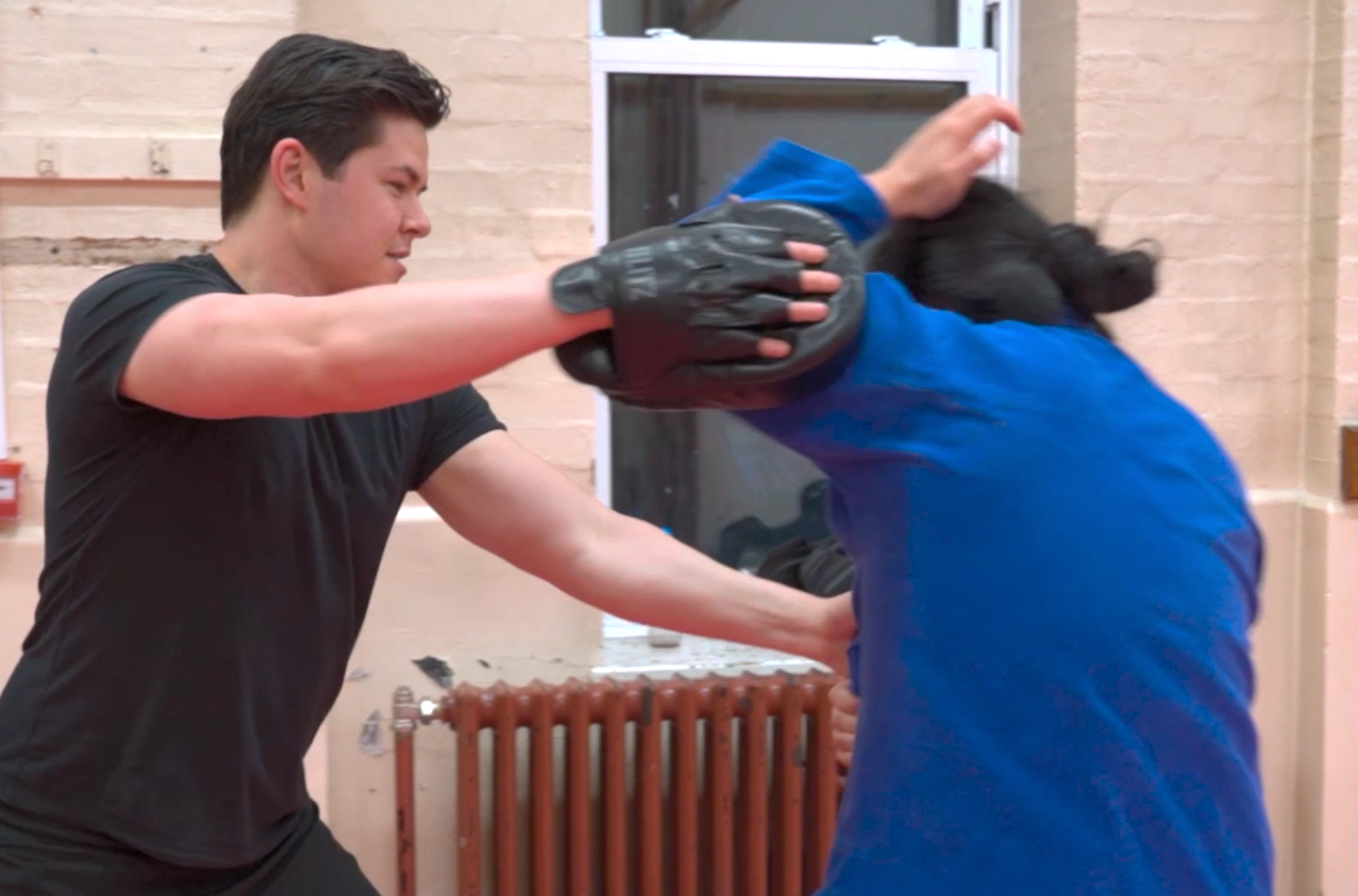
Most people think self-defence is about punches, kicks, and physical techniques.
In reality, the vast majority of personal safety decisions happen long before any physical confrontation begins.
This is because a criminal's strategy is often surprisingly simple: find the easiest target.
Most offenders are not looking for a fight. They are looking for a low risk opportunity. They want someone who is distracted, unaware, isolated, or unlikely to challenge them.
Criminals commonly look for:
People absorbed in their phones
People wearing headphones and unaware of their surroundings
Individuals carrying shopping bags or managing children
Those displaying hesitant or uncertain body language
People walking alone in quiet or poorly lit areas
Individuals following predictable routines
The goal of self-defence is not to become a fighter. The goal is to avoid becoming the easiest option.
The Three Pillars of Personal Safety
Awareness and Presence
Awareness is your first line of defence.
Simple habits can dramatically reduce your vulnerability:
Walk with purpose and confidence
Keep your head up and scan your surroundings
Notice who is around you, including people behind and beside you
Avoid becoming absorbed in your phone while walking
Remove distractions when moving through unfamiliar areas
Make brief eye contact with people around you to communicate awareness
This isn't about being paranoid. It's about being present.
Many criminals prefer targets who appear completely unaware. By demonstrating that you are alert, you immediately become a less attractive option.
Range and Positioning
Most criminal acts require proximity.
Whether someone wants to intimidate, rob, grab, or assault you, they usually need to get close first.
Your job is to control the space around you.
Practical ways to do this include:
Crossing the road if someone makes you uncomfortable
Moving into a shop, café, or public place
Keeping a physical barrier between yourself and a stranger when possible
Adopting a non-threatening "fence" position with your hands visible in front of you
Standing at an angle rather than square-on
Maintaining a safe reactionary gap
One of the biggest mistakes people make is allowing strangers to enter their personal space because they don't want to seem rude.
Criminals often exploit this social conditioning. Don’t let them!
Remember: your safety is more important than someone else's opinion of your manners.
Action: Voice and Boundary Setting
Your voice is one of the most powerful self-defence tools you possess.
A strong verbal response communicates:
Confidence
Awareness
Control
A willingness to resist
A simple framework we teach is the ATTA model:
A – Ask
"Sorry, no thanks. Have a good day."
T – Tell
"I said no. Please back off."
T – Tell Again
"BACK OFF NOW."
A – Act
Move away
Enter a safe location
Call the police
Shout for assistance
Take physical action if absolutely necessary to protect yourself
Many people wait too long before becoming assertive. Setting boundaries early can prevent a situation from escalating and gives you a clear framework on when it is appropriate to act.
Common Tactics Criminals Use to Get Close
The Polite Approach
Not every threat begins with aggression.
Many criminals use apparently harmless questions to close distance and assess potential victims.
Examples include:
"Have you got the time?"
"Can you help me?"
"Do you know where this street is?"
The question itself is often not the issue. The concern is whether someone is using it as an excuse to invade your personal space.
Ask yourself:
Why do they need to be this close?
Why have they chosen me?
What is their body language telling me?
What is my intuition telling me?
In these situations, boundary setting is usually more important than trying to de-escalate.
Immediate Aggression
Some people skip the friendly approach altogether and immediately become threatening.
This may involve:
Shouting
Swearing
Threats
Rapid movement towards you
In these situations, maintaining distance and setting clear verbal boundaries become critical.
Following or "Tagging"
A more subtle tactic involves someone following you over a period of time.
If you suspect this may be happening:
Change direction
Cross the road
Enter a shop or public building
Look back confidently
If the person continues to follow after multiple changes in direction, it may not be a coincidence.
Trust your instincts and seek safety immediately.
Self Defence Is Not About Winning Fights
You do not need to be an athlete.
You do not need to be physically strong.
You do not need years of martial arts experience.
You need:
Awareness
Strategy
Boundaries
A few simple, practical skills
Criminals are often looking for the easiest option.
Your goal is to become the wrong choice.
In an Emergency
Call 999
On most smartphones, pressing the power button five times quickly activates emergency assistance features
If you are on the rail network, text 61016 to the British Transport Police
If you genuinely believe you are in danger, act early. Trust your instincts, create distance, attract attention, and seek help.